OVERTOURISM.
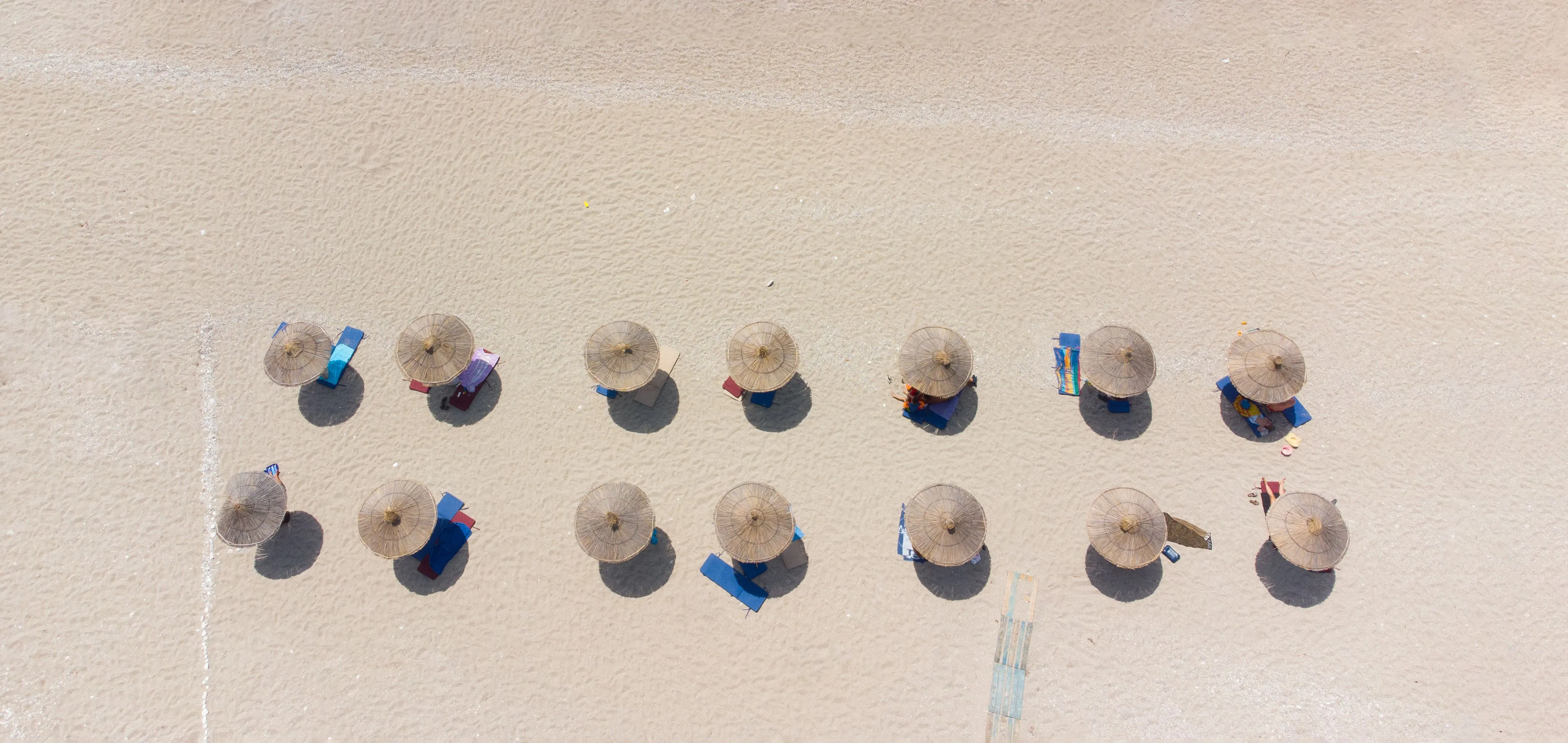
"Nine tourists for every resident. In some places, that’s just a normal summer."
visumPOINT Travel Monitor
For a long time, tourism was a success story. More travelers, more revenue, and more visibility for places that hardly anyone knew before. It was foreseeable that this growth would eventually hit a limit. That it would happen so quickly caught many by surprise.
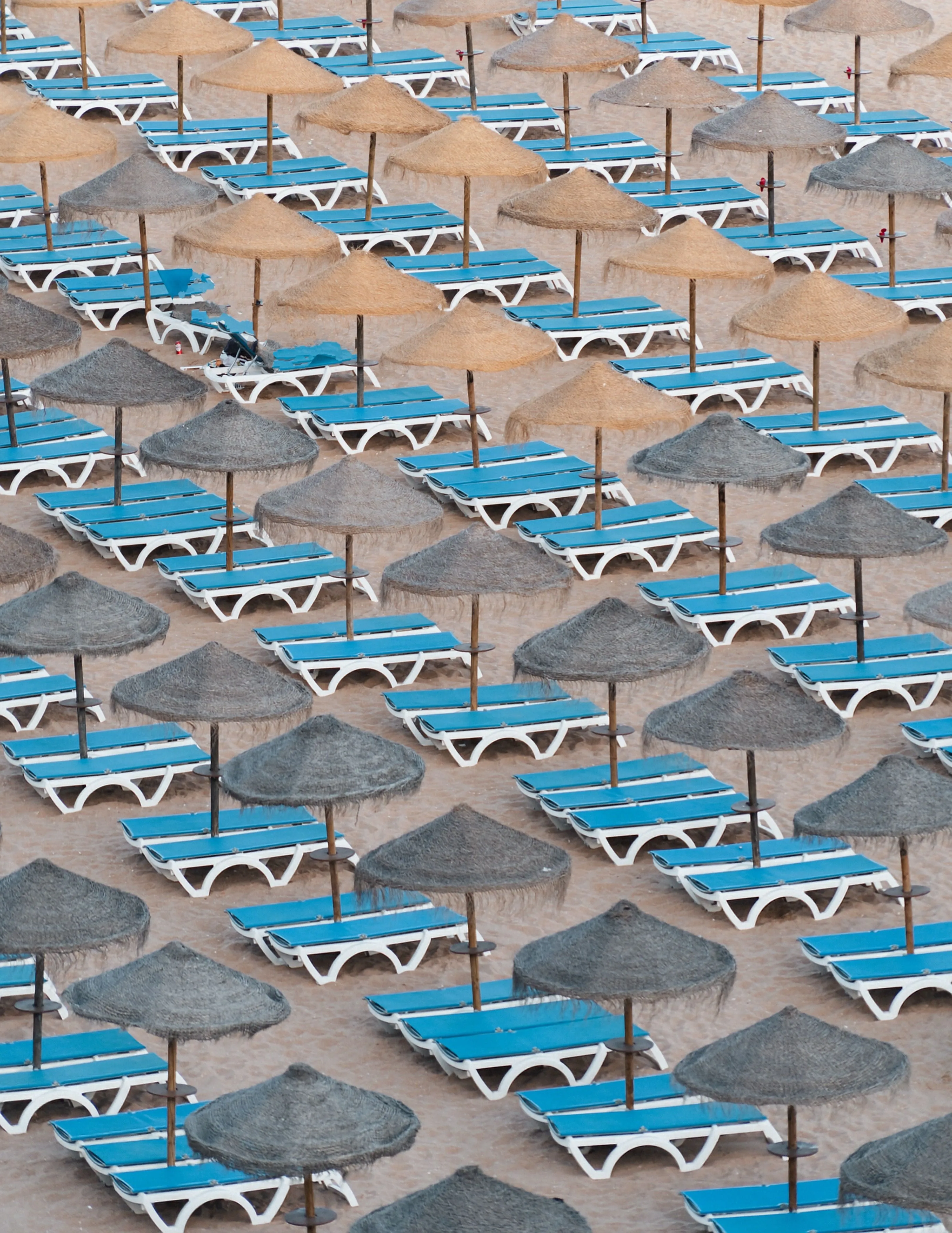
Overtourism describes exactly this state: when a place attracts more visitors than it can handle. For the infrastructure, for the environment, and for the people who actually live there. The consequences vary by location, but the underlying pattern is often the same. Rising rents push residents out of their own neighborhoods. Beaches that were once quiet coves become mass events in the summer. And sometimes, a single viral clip is enough to push a location to its absolute breaking point within a few months.
Added to this is a new phenomenon. It is no longer just classic destinations like Venice or Barcelona under pressure. Small islands, remote coastal towns, and mountain villages are also being targeted as soon as a series, a film, or a famous face puts them in the spotlight. The effect is always the same: attention, arrival, and eventually, overload.
What is changing right now is the reaction to this. Cities are introducing entry fees, countries are capping visitor numbers, and travelers themselves are becoming more aware that not every place is the right choice at every time. This article examines where the pressure is most palpable in 2026 and which locations have already begun to take countermeasures.
The Numbers
The travel platform Evaneos, in collaboration with the consultancy Roland Berger, has developed an Overtourism Index. Destinations are rated on a scale of one to five. Cyprus, Greece, and Croatia all score above 3.8. This is not an outlier, but a clear pattern.
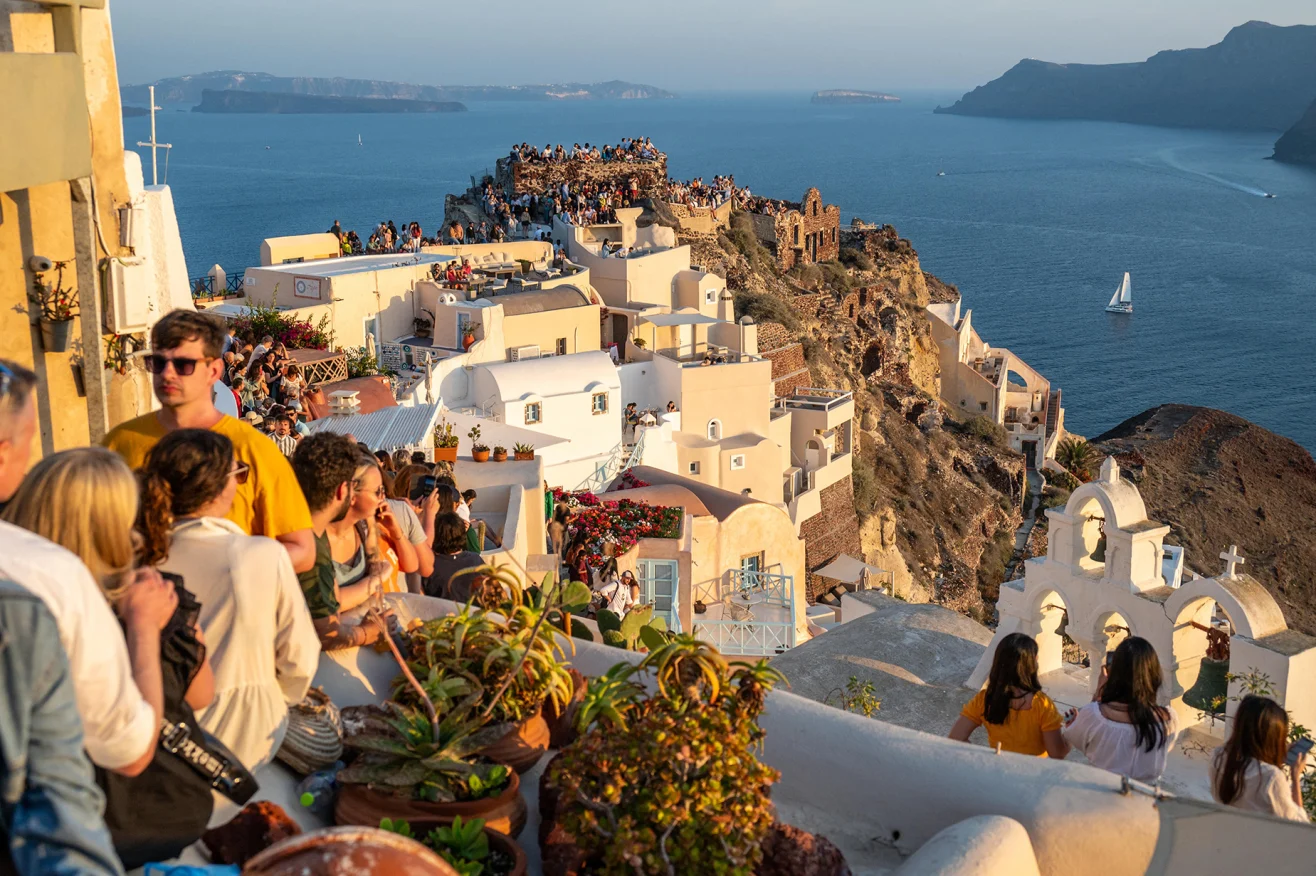
This is particularly evident on the Greek islands. During peak season, Mykonos and Santorini see nearly ten tourists for every one permanent resident. Those arriving in summer share the narrow streets with a multiple of the local population. That is not a vacation feeling; that is infrastructure at its breaking point.
In 2026, Booking.com surveyed over 32,000 travelers worldwide. 43 percent stated they are actively looking to avoid overcrowded destinations—an eleven percent increase from the previous year. This issue is not just changing places; it is changing how people book.
9.9 : 1
tourists per resident on Mykonos and Santorini. This is how crowded it gets in the height of summer.
43%
of travelers worldwide intend to actively avoid overcrowded destinations in 2026. An increase of eleven percent compared to the previous year.
Cities fighting back
The response to overtourism is no longer a fringe phenomenon. More and more cities are actively intervening with bans, fees, and quotas. Some measures are radical, others cautiously experimental. What they all share is the realization that things cannot continue this way.
Amsterdam has begun to actively scale back its city marketing. New cruise ships are no longer permitted to dock in the city center. The message is intentional: the city wants to be more selective about which visitors it attracts and under what conditions.
In Barcelona, protests against skyrocketing rents have been ongoing for months. Many residents blame tourism directly. The city has responded: new vacation rentals are no longer being approved in the city center, and existing licenses are set to expire by 2029.
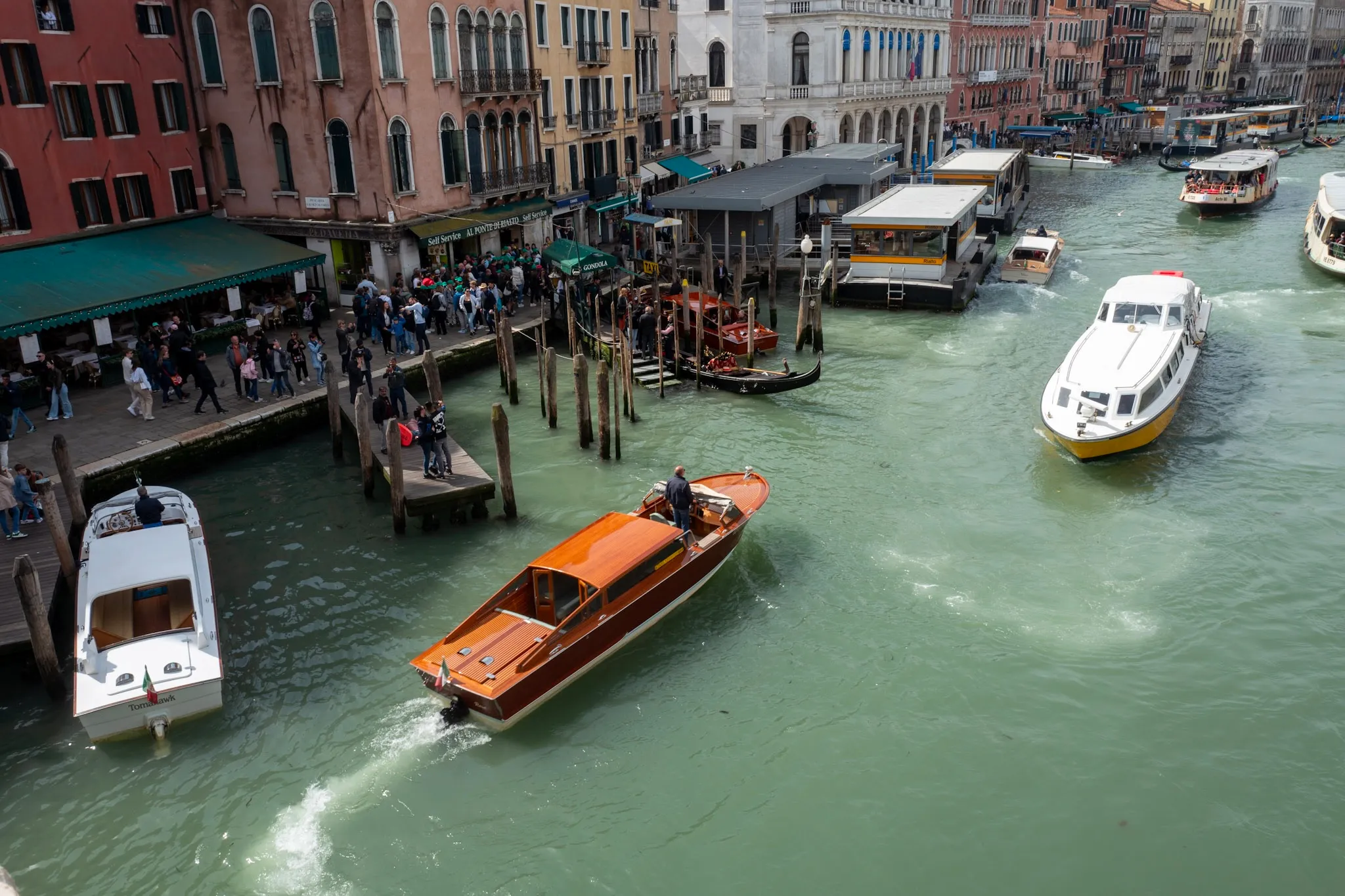
Venice has gone further than most. Day-trippers now pay an entry fee, up to ten euros on peak days. The model is controversial, but it is showing initial results: visitor numbers on the most expensive days have dropped noticeably. What began as an experiment is now being closely watched by other cities.
The new victims of viral success
It is not just major metropolises that are under pressure. Sometimes all it takes is a film set, a hit series, or a summer with too much attention. Places that have managed well for a long time suddenly reach a tipping point. Four examples that show particularly clearly in 2026 just how quickly this can happen.
These cities are also already responding
Kyoto, Japan
Closure of several geisha districts to tourists following repeated harassment of residents and geishas.
Dubrovnik, Croatia
Strict visitor cap for the old town: a maximum of 4,000 people at any one time. Cruise ships are limited to two per day.
Bhutan
Daily fee of 200 US dollars per visitor since 2022. No mass tourism as a declared national goal.
Athens, Greece
The Acropolis sees over three million visitors annually. Since 2023, a daily limit of 20,000 people has been in effect. On some summer days, the quota is fully booked before nine in the morning.
Koh Samui, Thailand
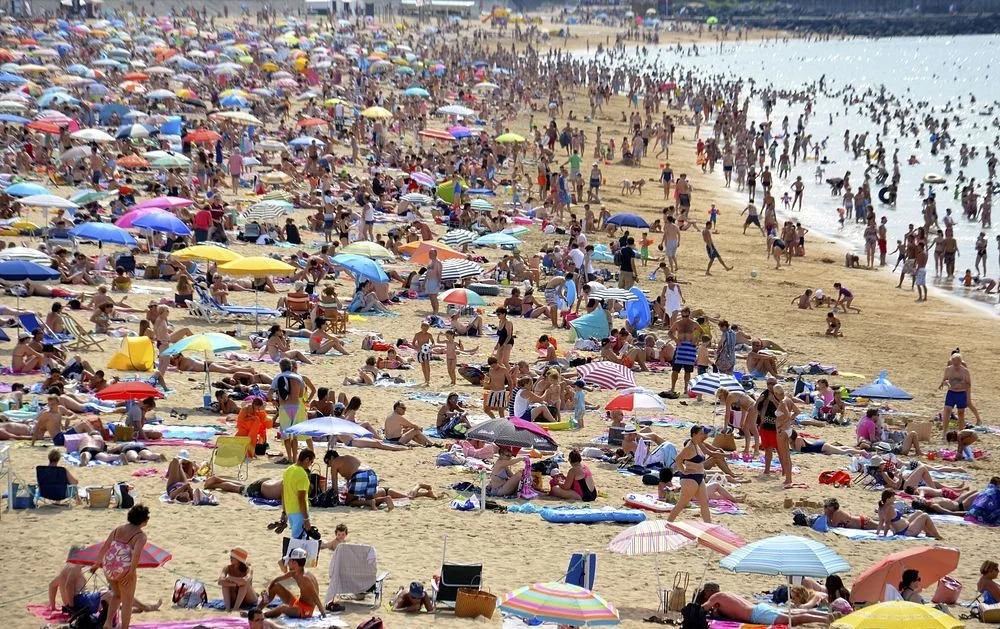
Koh Samui was never a hidden gem. But there was a point when the island still functioned well. Clean bays, enough space, and an infrastructure that could keep pace with growth. That point lies several years in the past.
In 2023, 2.7 million tourists arrived on an island with around 50,000 residents. That is nearly 54 visitors for every person who actually lives there. And that was before anyone had even heard of "The White Lotus."
When it was announced that the third season of the series would be filmed there, something happened that the tourism industry now knows and fears: a viral moment with an immediate impact on bookings. Inquiries via Agoda rose by twelve percent. Search queries from the US jumped by 65 percent. Luxury bookings across Thailand increased by 41 percent. All triggered by a single press release from a streaming service.
The island has been struggling with the consequences ever since. Water scarcity is no longer a seasonal issue, but a structural one. Wells are being drilled illegally because the supply from the mainland is no longer sufficient. Traffic is intensifying every day, and so far, no one has an answer for it.
54:1
Tourists per resident. As of 2023, before the White Lotus effect.
The White Lotus Effect:
+65%
Search queries from the USA following the filming location announcement
+41%
Luxury bookings across Thailand
+12%
Booking requests via Agoda

Mont-Saint-Michel, France
Mont-Saint-Michel doesn't need a hit series or a viral campaign. It just needs summer. The tidal island in Normandy covers less than four square kilometers. Nevertheless, it attracts around three million visitors every year, one million of them between June and August alone.
A single comparison illustrates what this means in concrete terms. On a peak day last summer, more than 36,000 people were counted on the island—the same population as a mid-sized French town. The abbey, the true heart of the site, recorded 1.6 million entries in 2025 alone.
The problem is not new, but the state's response is. France has begun regulating parking around the Mont via an online reservation system. The revenue goes directly into infrastructure and the protection of the salt marshes, a fragile ecosystem that is increasingly suffering under the onslaught of visitors.
What sets Mont-Saint-Michel apart from other places on this list is that there is no single cause. No streaming service, no viral clip. Just centuries-old beauty and a form of tourism that is slowly tipping its balance.
36,000
Visitors on a single peak day. On an island you can drive around in an hour.
4 km²
Area. Three million visitors per year. The ratio speaks for itself.
What is changing
France is introducing a mandatory reservation system for parking spaces. The revenue will go toward protecting the salt marshes around the Mont, one of the most fragile ecosystems on the French Atlantic coast.
Canary Islands, Spain
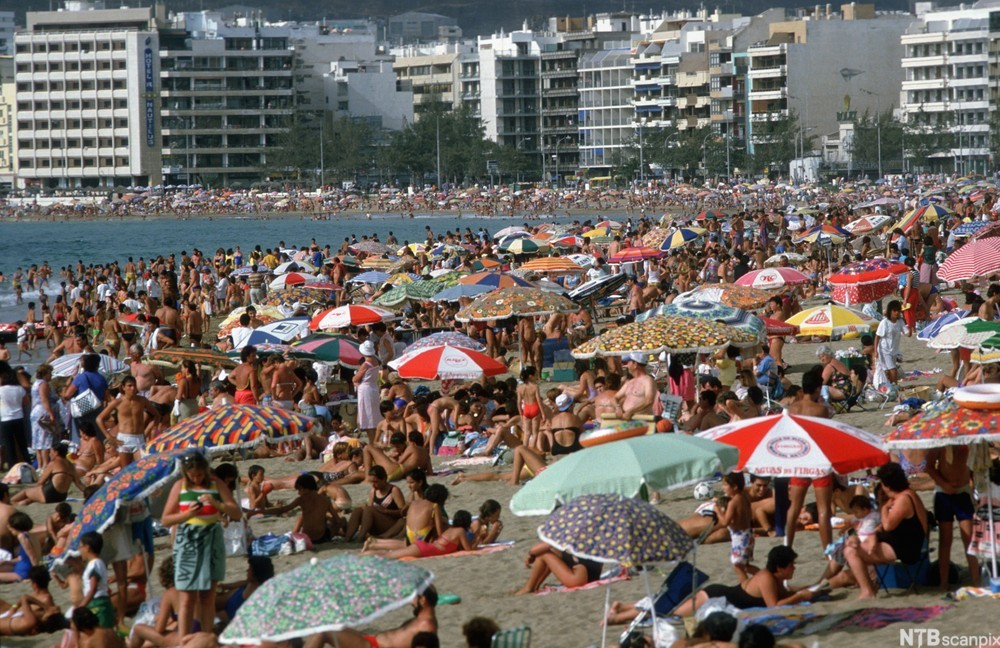
Canary Islands, 2025. The resistance has found its voice. "Canarias tiene un límite." The islands have a limit. This phrase appeared on banners when thousands of people took to the streets in Tenerife, Gran Canaria, Lanzarote, and Fuerteventura in the spring. Solidarity rallies were also held in Madrid, Barcelona, and Berlin.
The trigger was less a single measure than an accumulation of issues. The islands' 2.24 million residents saw 4.26 million international visitors in the first quarter of 2025 alone. Up to 16.5 million are expected for the year as a whole. Affordable housing is scarce. In the capital cities, more than 200 out of every 1,000 properties are now used for tourism. What is a success for the economy feels like a creeping loss to many residents.
Reactions are coming from all sides. Tenerife is planning an eco-tax for Teide National Park, with proceeds going directly toward protecting the volcano. Private cars are to be replaced by electric shuttle buses. On Gran Canaria, the town of Mogán introduced a daily visitor fee as early as January 2025.
The contradiction remains. Four out of ten residents work in the tourism sector, which generates 36 percent of the gross domestic product. The islands cannot simply reject tourism. But things cannot continue as they have been.
16.5 million
Expected visitors in 2025. On an archipelago with 2.24 million inhabitants.
36%
of the GDP comes from tourism. This makes any counter-movement a tightrope walk.
"Canarias tiene un límite." The islands have a limit. A phrase that took to the streets in 2025.
Bali, Indonesia
Bali was long Southeast Asia's most effortless dream destination. Surfer beaches, volcanoes, Hindu temples, yoga retreats, affordable prices. In 2025, around 7.1 million international guests arrived on the Island of the Gods, which has a population of just over four million. The balance has long since shifted.
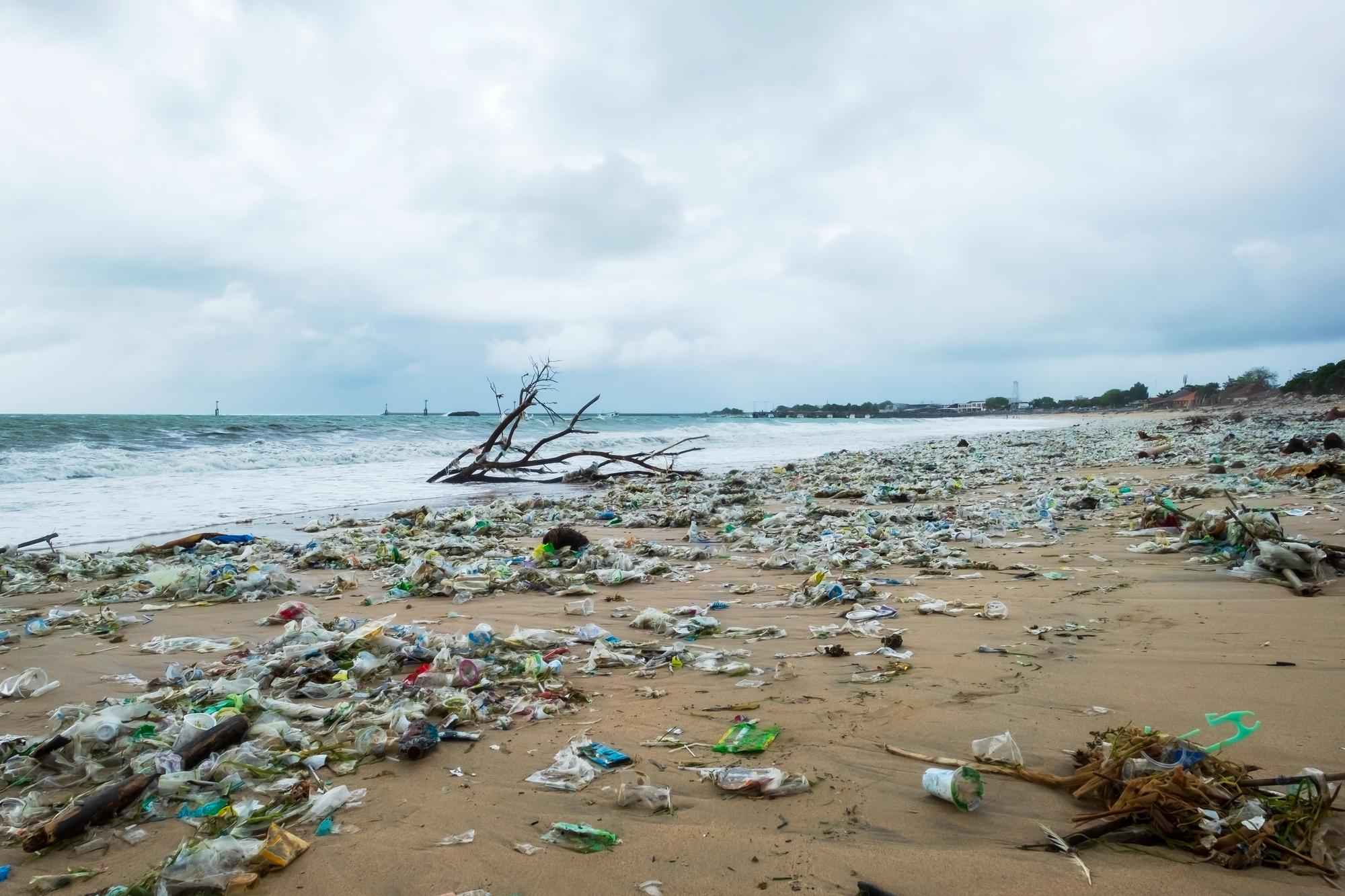
Traffic jams are a daily occurrence in many places, waste volumes are increasing, and water is becoming scarce during the dry season. On top of this, there are incidents that are increasingly preoccupying the authorities: tourists overstaying their visas, working illegally, or behaving disrespectfully toward religious sites. In 2025, 331 foreign nationals were deported from Bali alone.
The authorities' reaction is unusually direct. Since 2024, a mandatory tourism tax of around ten US dollars has applied to every international visitor, payable digitally before departure or upon arrival at the airport. The revenue goes toward nature conservation and local infrastructure. Additionally, since 2026, travelers may be required to present bank statements from the last three months to prevent long-term stays without sufficient financial means.
For 2026, the provincial government has set a goal to slightly reduce visitor numbers and instead attract higher-spending guests. Quality over quantity. Whether this will work remains to be seen on the island itself.
7.1 million
International visitors in 2025. On an island with just under four million inhabitants.
331
deportations in 2025 alone, due to visa violations, illegal work, or misconduct toward locals.
WHAT CHANGES IN 2026
Mandatory fee of 10 USD per visitor. Potential requirement to provide bank statements upon entry. Official goal: fewer, but higher-spending guests.
Why there are no new hidden gems listed here
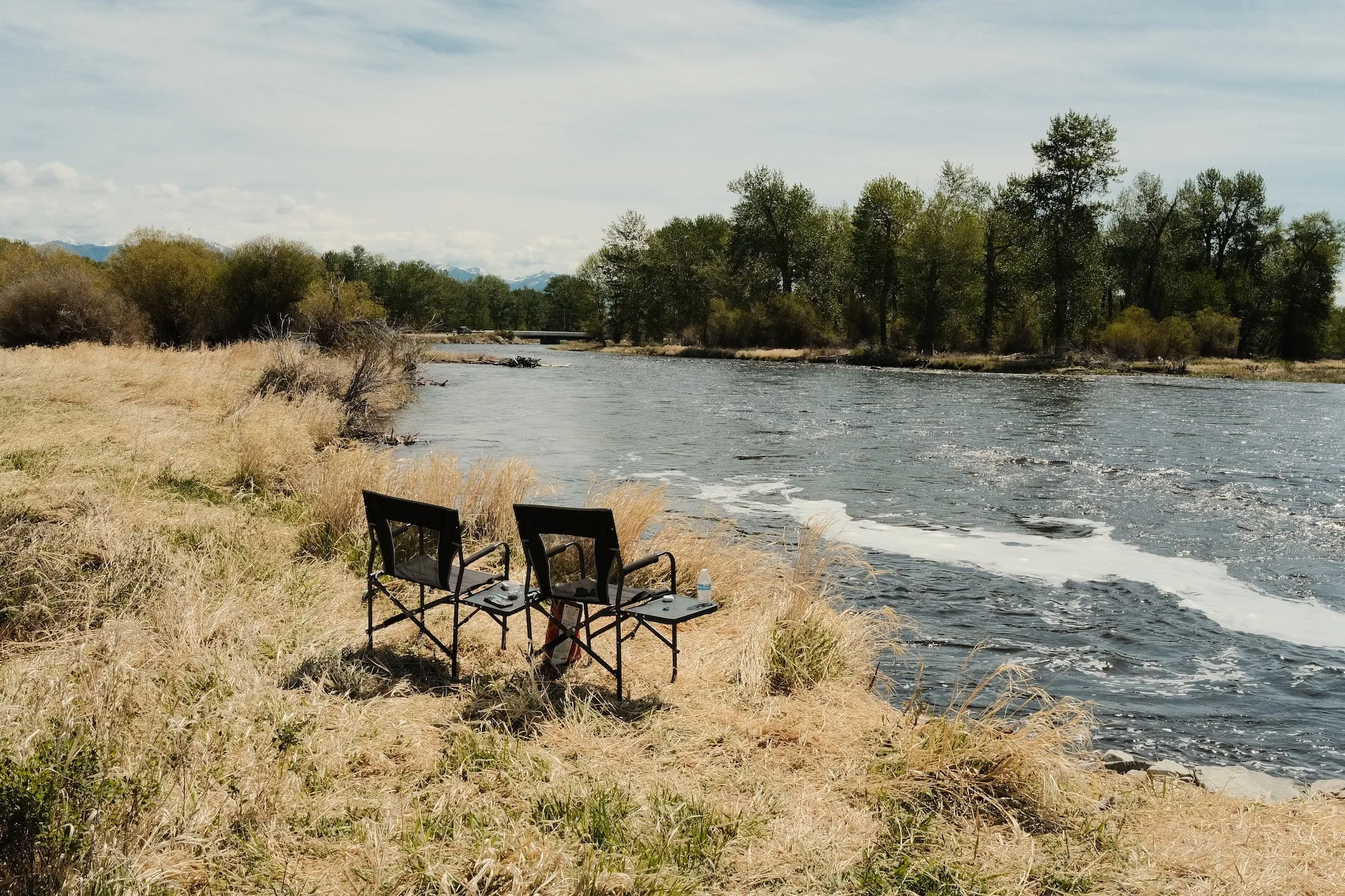
Every article about quiet places carries the same inherent contradiction. As soon as a name is mentioned, the cycle begins anew: first attention, then arrival, and eventually overcrowding. The very places we wrote about above were once exactly that—a hidden gem known to only a few. Today, they appear in articles like this one, serving as a warning rather than a recommendation.
That is why we have deliberately chosen not to publish a list here. We prefer to share the destinations we are currently eyeing for 2026 personally, rather than with everyone at once.
Learn Privately
email us at pr@visumpoint.com
We respond personally, with goals we aren't ready to share publicly just yet.